
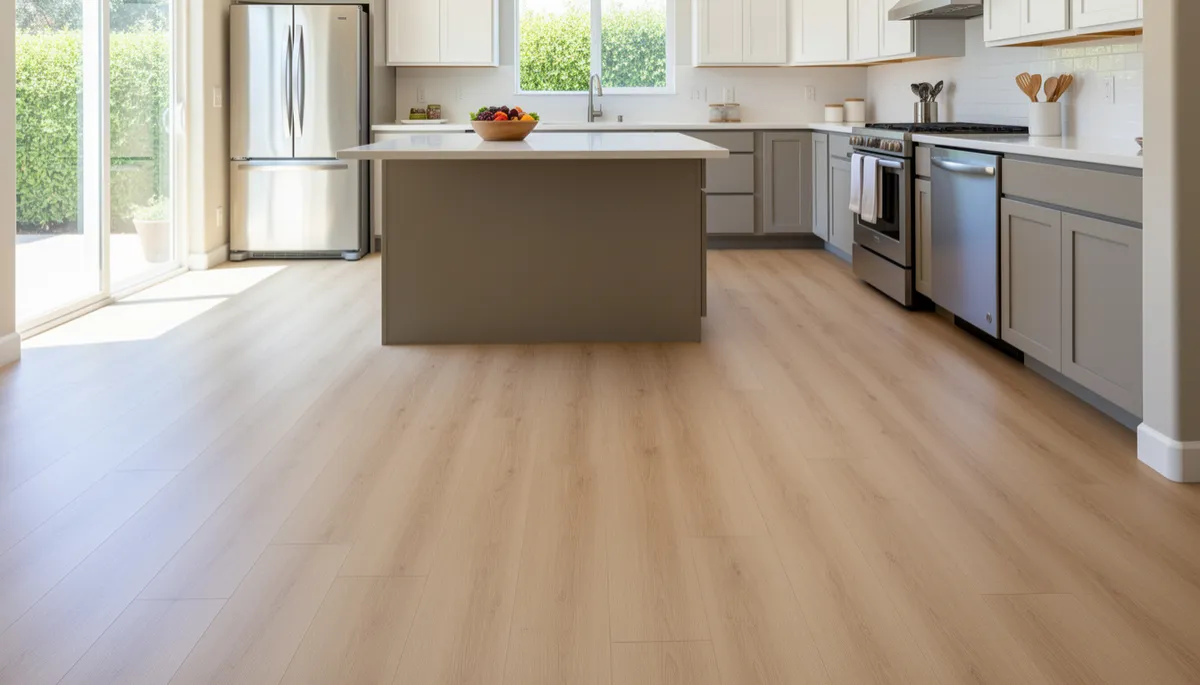
Best Flooring Options for High Traffic Kitchens in Vista Homes
When it comes to kitchen remodels, one of the biggest decisions is choosing the right flooring—especially in a high traffic kitchen. The floor in your kitchen takes a daily beating, dealing with spills, dropped pans, heavy foot traffic, and the hustle of meal prep. Selecting the right material means you’ll get a floor that not only looks good, but also stands up to years of use. Here’s what you need to know before making your choice.
Which Flooring Materials Handle Heavy Kitchen Traffic Best?
Some flooring materials are simply better suited for the wear and tear of a busy kitchen. Here are a few of the top choices:
- Porcelain or Ceramic Tile: Extremely tough and water-resistant, tile is a classic kitchen flooring option. It handles dropped pots, spills, and frequent cleaning with ease. Tile also resists scratches and dents, making it a favorite for families and cooks who put their floors to the test. The downside? Tile can be hard underfoot, so consider using mats in prep areas.
- Luxury Vinyl Plank (LVP): Modern vinyl flooring is a far cry from the old sheets of decades past. LVP mimics the look of wood or stone, is softer underfoot than tile, and stands up well to moisture and scratches. It’s a smart pick for busy households, especially those with kids or pets.
- Laminates: High-quality laminates offer a cost-effective alternative to hardwood, with improved water resistance and scratch protection. They’re easy to clean and come in a huge range of styles. Just make sure to pick a type rated for kitchens, as some budget laminates can be prone to water damage if spills are left to sit.
- Engineered Hardwood: If you love the look of real wood but want something that can handle kitchen traffic, engineered hardwood is a good compromise. It’s more stable than solid hardwood and can handle minor spills better, but it still needs a bit more care than tile or vinyl.
How Do I Balance Durability and Style?
Durability is key for high traffic kitchens, but you don’t have to sacrifice style. Many modern flooring products offer both. Kitchen flooring options now come in an incredible array of colors, textures, and finishes. For example, luxury vinyl can convincingly mimic rustic wood or sleek stone, while porcelain tile comes in patterns that fit both traditional and modern homes. Consider your overall kitchen design and how much maintenance you’re willing to do when selecting your finish and color. Lighter floors can make a space feel larger but may show dirt more easily, while darker tones can hide scuffs but make the room feel cozier.
What About Water Resistance and Cleaning?
In a kitchen, water resistance isn’t optional—it’s a must. Spills, splashes, and the occasional dropped ice cube are all part of daily life. Tile, vinyl, and some laminates are naturally water-resistant, making them easy to clean with a mop or damp cloth. Engineered hardwood holds up better to moisture than solid wood, but it’s still smart to wipe up spills right away. When you’re looking for materials, ask about their water resistance ratings and cleaning recommendations. If you want extra peace of mind, check out waterproof flooring options for kitchens.
How Long Will Kitchen Flooring Last?
With proper installation and care, most quality kitchen floors will last many years. Tile can easily last decades with minimal maintenance. Luxury vinyl and laminate floors can hold up for 10-20 years, depending on the quality and how well you care for them. Engineered hardwood can last just as long, but may need refinishing if it gets scratched or dull. Remember, professional installation is a big factor in how long your floor lasts—improperly installed floors can develop gaps, buckling, or uneven wear over time. If you want to discuss your options or see samples, check out our flooring installation services.
Is Professional Installation Worth It?
While some types of flooring can be installed as DIY projects, high traffic kitchens demand a perfect fit and finish. Uneven tiles or poorly laid planks can lead to trip hazards, water damage, and shorter lifespan for your flooring. Professional installers ensure your floor is level, properly sealed, and built to last. They can also handle tricky transitions between rooms and make sure everything is up to code—especially important in busy kitchens where safety is a concern.
What’s the Best Flooring for Families with Kids and Pets?
If you’ve got little ones or furry friends running through your kitchen, durability, slip resistance, and easy cleaning become even more important. Luxury vinyl plank and tile are both popular for families because they’re tough, waterproof, and easy to keep clean. Many products offer textured surfaces to help prevent slips—even when wet. If you’re considering hardwood, engineered options with a matte finish tend to show fewer scratches from pet claws or toys. In homes around Vista, kitchens often serve as the heart of family activity, so choosing a floor that can handle it all makes a big difference.
Frequently Asked Questions
Can I install new flooring over my existing kitchen floor?
In some cases, yes—you can install certain types of flooring (like luxury vinyl plank or laminate) over an existing floor as long as it’s flat, clean, and in good condition. However, it’s important to check for issues like moisture damage or uneven spots first. Sometimes, removing the old flooring is the best way to ensure a lasting result.
How do I maintain my high traffic kitchen floor?
Regular sweeping or vacuuming helps prevent dirt and grit from scratching your floor. Use a damp mop for cleaning up spills and occasional deep cleaning. It’s also a good idea to use pads on chair and table legs and mats in high-use areas like the sink and stove.
Is tile too cold or hard for kitchens?
Tile can feel cooler and harder underfoot than other options. Many homeowners use area rugs or anti-fatigue mats in front of sinks and prep areas for extra comfort. In Vista’s mild climate, cold floors are rarely a big issue, but if you’re concerned, ask about radiant floor heating.
What should I do if my kitchen floor gets damaged?
Minor scratches or chips in tile, vinyl, or laminate can often be repaired with patch kits or replacement pieces. For larger issues, it may be best to consult a professional to assess whether repair or replacement is needed.
If you’re thinking about updating your kitchen flooring, or you have questions about the best material for your space, reach out to MMI Inc Kitchen & Home Remodeling Design. We’re happy to help Vista homeowners find the right floor for their busy kitchens, from selection to professional installation.
