
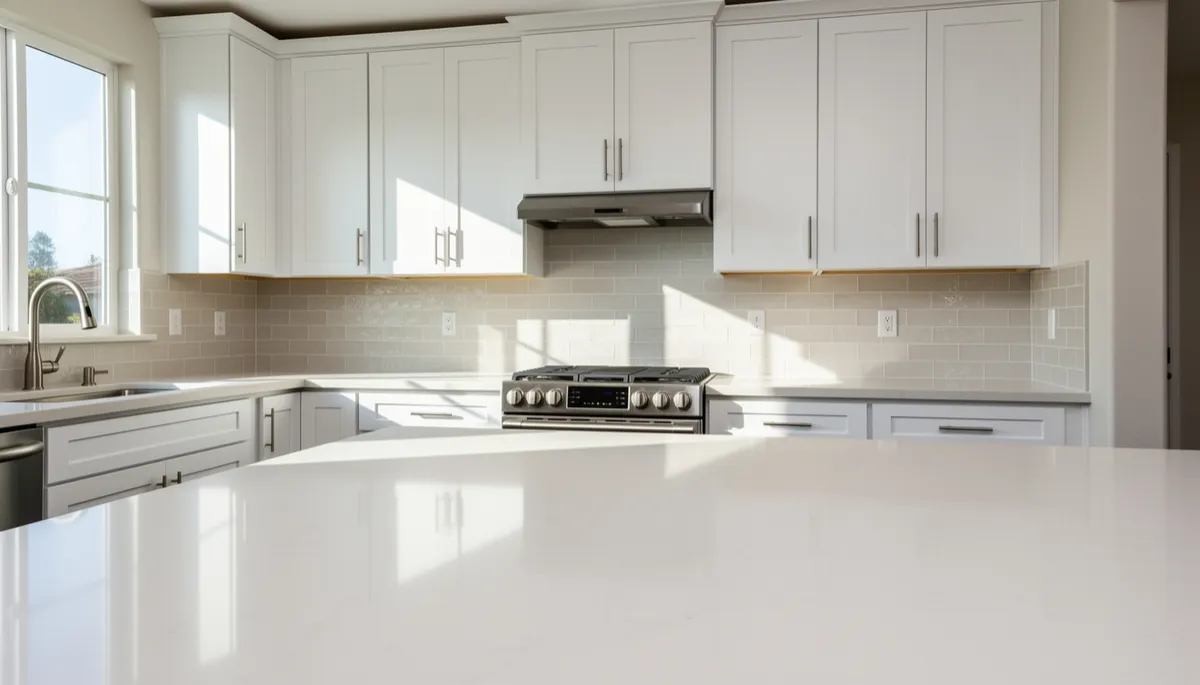
Which Kitchen Countertops Last the Longest? A Homeowner’s Guide
Choosing the right kitchen countertop isn’t just about looks—it’s about finding a surface that stands up to daily life. Between hot pans, sharp knives, spills, and busy family routines, your countertops take a lot of punishment. If you’re planning a kitchen remodel in the Vista, CA area, here’s what you need to know about selecting countertops that will look great and last for years.
What Are the Most Durable Kitchen Countertop Materials?
When it comes to durability, not all countertops are created equal. The most common choices for long-lasting kitchen countertops include natural stone (like granite), quartz, solid surface, and laminate. Here’s a quick rundown:
- Granite: Known for its toughness, it resists scratches and heat well. Sealing is needed to keep stains at bay.
- Quartz: Engineered stone that’s non-porous, resists stains, and doesn’t need sealing. Handles most impacts and heat, though trivets are recommended for hot pots.
- Solid Surface (Corian, etc.): Less durable than stone, but can be sanded if scratched. Not as heat-resistant.
- Laminate: Budget-friendly, but prone to scratches and burns. Less durable than stone or quartz.
For homeowners in Vista looking for a balance of style and toughness, quartz countertops are a top choice, with granite coming in close behind.
How Well Do Stone Countertops Hold Up to Daily Use?
Stone countertops, especially granite and quartz, are popular for kitchens because they stand up to a lot of abuse. Granite can take a hot pan, a dropped knife, or a spilled glass of wine and keep looking good—as long as it’s sealed regularly. Quartz, being non-porous, naturally resists stains and doesn’t require sealing. Both materials resist scratching, but quartz is a bit less likely to chip on the edges.
If you’re considering stone, think about whether you want the natural variation of granite or the consistent look of quartz. You can find more details about various options on our stone countertops service page.
What About Other Materials Like Tile or Laminate?
Tile countertops used to be more common, and they’re still an option if you want a custom look. They’re durable in terms of heat and scratches, but grout lines can stain and be tough to clean. Laminate is more affordable and comes in many designs, but it’s less tough against heat and sharp objects. If you drop a heavy pan or cut directly on it, you could end up with dents or gouges.
For a kitchen that’ll be used hard—like if you have kids or cook a lot—stone or quartz usually hold up better in the long run.
How Do I Care for Durable Countertops?
Even the toughest countertops benefit from proper care. For granite, seal it once a year to prevent stains and wipe up spills quickly. Use cutting boards, even if your countertop can handle a knife—this keeps both your counters and knives in top shape. For quartz, just wipe with mild soap and water; no sealing needed. Avoid harsh cleaners and always use a trivet or hot pad under very hot pans, no matter the material.
Which Countertop Is Best for My Home’s Style?
Durability matters, but so does style. Quartz offers a wide range of colors and patterns, including ones that mimic marble or concrete. Granite has unique patterns and colors, with each slab being one of a kind. If you want a modern kitchen, quartz or a solid-colored granite works well. For a more classic or rustic look, natural stone or even butcher block could fit, though wood requires more upkeep.
If you’re planning a full kitchen remodel, our kitchen remodeling team can help match a durable countertop with your cabinets, flooring, and backsplash for a cohesive look.
Can I Install Durable Countertops Myself?
Some homeowners wonder if they can save money by installing countertops as a DIY project. For laminate, it’s possible with the right tools. But stone and quartz slabs are heavy, require precise cuts, and need professional handling to avoid cracking. Installers also know how to properly secure seams and backsplashes, and ensure everything is level. If you want the job done right, it’s best to work with experienced pros.
Frequently Asked Questions
Do quartz countertops stain?
Quartz is non-porous, so it resists stains from things like wine, coffee, and oil. It’s still best to clean up spills quickly, but you won’t need to worry about regular sealing like you do with granite.
How often should granite countertops be sealed?
Most granite countertops should be sealed about once a year, but the frequency depends on the specific stone and how much use your kitchen gets. Test by putting a drop of water on the surface—if it beads up, you’re good; if it soaks in, it’s time to reseal.
Can I put hot pans directly on my countertop?
Granite can usually take some heat, but it’s always safer to use a trivet or hot pad to avoid the risk of thermal shock or discoloration. Quartz is less heat-resistant than granite, so always use protection under hot cookware.
Is there a countertop that never chips or scratches?
No surface is totally indestructible. Granite and quartz are both very tough, but heavy impacts or sharp objects can cause chips or scratches. Using cutting boards and being careful with heavy items helps keep your counters looking new.
If you’re ready to choose a durable, attractive countertop for your kitchen remodel in Vista, CA, or want help matching the right material with your space, reach out to the team at MMI Inc Kitchen & Home Remodeling Design. We’re happy to talk through your options and answer any questions you have about kitchen countertops that will stand the test of time.
